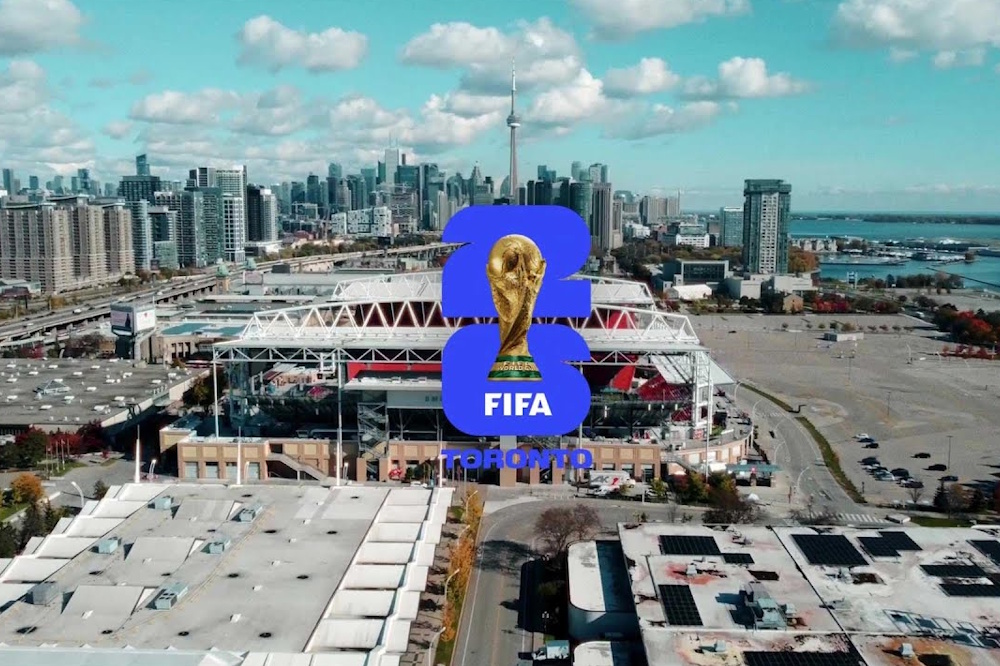
Toronto FIFA World Cup 2026 stadium preparations now come with a price tag, a seat count, and a deadline you can’t hand-wave away: BMO Field is being pushed to 45,000 seats, backed by a $146 million stadium upgrade program and a wider host-city bill of $380 million. That changes the conversation. This isn’t just about hanging banners and welcoming visitors; it’s a hard build with political risk, tight construction windows, and real pressure on transit, security, and fan movement around Exhibition Place. What makes this story interesting is the contrast: temporary north and south grandstands will transform the venue for a few weeks in June and July 2026, but the debate over who pays, who benefits, and what Toronto keeps afterward is much bigger than the tournament itself. If you want the clearest picture of what’s changing at BMO Field and what fans should actually expect, this is where the details start to matter.
What BMO Field needs for World Cup matches
A 30,000-seat stadium is fine for league nights, but it looks small fast when you’re hosting the world’s biggest sports event. That’s the first hard reality at BMO Field. Toronto is using it as the city’s tournament venue, yet its everyday footprint falls short of what most people picture for a World Cup setting. According to the City of Toronto, the plan is to push capacity to 45,000 with 10,000 temporary seats added on the north grandstand and another 7,000 on the south. That isn’t cosmetic. It’s the difference between a good local stadium and one that can handle global demand, sponsor inventory, media positions, and the atmosphere FIFA expects on matchday.
Seats are only the visible part. What really separates a regular event venue from a tournament-ready ground is everything built around the 90 minutes. FIFA hosting standards put pressure on pitch quality, field dimensions, sightlines, security perimeters, team circulation routes, locker-room layouts, mixed zones, media workrooms, camera platforms, and broadcast compounds. BMO Field already works for MLS, CFL configurations, and concerts, but that’s exactly the point: “works” isn’t enough here. FIFA is stricter, and the gap between usable and compliant is bigger than most fans expect.
Field setup matters more than casual spectators realize. The playing surface has to meet tournament specifications not just in size, but in consistency, runoff space, and camera presentation. If sightlines are compromised by temporary structures or if team areas feel cramped, that becomes a real problem fast. I’d argue this is what people miss most about stadium prep: the hardest upgrades are often the ones you barely notice on TV.
Then there’s the backstage machinery. World Cup matches need expanded locker rooms, better referee and medical spaces, stronger broadcast infrastructure, and dedicated areas for international media operations. Security standards also tighten around ingress, accreditation, and controlled zones inside and outside the building. So while BMO Field already has the bones of a major venue, it still needs serious reworking before it can function at FIFA level.
Toronto’s planned costs, funding, and public debate
The number that keeps driving the argument is $380 million, because that’s the full estimated cost for Toronto to host matches, not just spruce up the venue. According to the City of Toronto Auditor General in June 2025, that total still held, with $223.9 million tied to operations and $153.5 million to capital spending. That split matters. Operations covers the expensive, less-visible machinery of hosting: security, event delivery, staffing, transportation management, and other tournament services that don’t leave behind a permanent asset. Capital spending is the harder infrastructure side.
Toronto isn’t paying that whole bill alone, but it’s still carrying the biggest political risk because local taxpayers see the invoices first. A 2024 city report said $201.4 million would be offset by provincial and federal money, leaving the City responsible for $178.6 million, or 47% of the total. Ottawa announced $104.34 million in May 2024, and Queen’s Park committed $97 million. On the stadium-specific side, the March 2025 enhancement package was set at $146 million, backed by $123 million from the City and $23 million from MLSE, according to the City.
That’s where the public debate gets sharp. Supporters point to the value of a global event and the burst of visitor spending that comes with it, but critics aren’t wrong to ask why hundreds of millions have to be committed upfront before a single ticket is sold. My view is simple: the strongest case for this spending isn’t blind boosterism, and the weakest case is pretending outside funding makes the local burden disappear. It doesn’t.
What’s often missed is that this isn’t a clean stadium-only expense or a simple profit-loss calculation. Some costs are tied to a one-month event window and won’t produce obvious long-term returns, especially security and operations. Yet political leaders are also betting that the alternative — hosting on the cheap, or missing delivery targets — would be worse: higher reputational risk, less control over the event, and a weaker return on money already committed.
Construction timeline and what fans should expect
The schedule is now tight enough that every quiet month matters more than any ribbon-cutting photo. According to the City of Toronto, stadium work is split into two clear windows: Phase 1 from December 2024 to August 2025, then Phase 2 from December 2025 to March 2026. That sequencing tells you a lot. Major work is being pushed into the off-season gaps as much as possible, with the second phase ending only a few months before the June 2026 kickoff.
For fans, the biggest clue that prep is no longer theoretical is that matchday routines are already changing. During parts of the 2025 Toronto FC and Argonauts seasons, spectators are being routed through the southern gates while work continues on the north side, according to the City. That’s manageable, but it also shows how little spare room the venue has once construction and live events have to coexist.
What’s often missed is that protecting the regular calendar may be harder than the building work itself. Toronto still has to keep MLS, CFL, and other event commitments moving while contractors hit fixed deadlines. If you’re hoping nothing gets disrupted, that’s not realistic. Expect temporary detours, altered entry patterns, closed sections, more visible work zones, and tighter logistics around event days. Concert scheduling could face the same squeeze, especially in windows when the site has to be handed back and forth between construction crews and event operations.
Then comes the real pressure point: readiness isn’t just about finishing construction on paper. A stadium like this needs operational proving runs before the tournament, whether through regular-season matches or other live events that effectively test staffing, circulation, access points, and venue systems under crowd conditions. Toronto is close enough to have a defined plan, but not so far along that delays would be painless. With Phase 2 ending in March 2026, the margin for slippage is thin, and that’s the part fans should watch most closely.
Transport, security, and crowd flow around BMO Field
The hardest part of a World Cup night at BMO Field won’t be the 90 minutes on the pitch; it’ll be moving tens of thousands of people through a tight waterfront event district without the whole area seizing up. That’s the real test around Exhibition Place. A downtown-adjacent venue sounds convenient, but convenience disappears fast if trains bunch, streetcars stall, rideshare traffic piles up, or pedestrians spill into the wrong choke points.
Exhibition GO is the obvious pressure valve, especially for regional fans coming in from across the GTA, while TTC service does the last-mile work through the Exhibition Loop and the subway connections that feed into streetcar routes toward the grounds. If you’re coming by transit, the route usually isn’t complicated; the volume is. That’s why Toronto pushed transit-priority work on nearby corridors. City Council accelerated RapidTO measures on Dufferin and Bathurst in July 2024, and the City says Dufferin Street installation work will be finished by May 2026. That matters because even a modest improvement in bus and streetcar reliability can prevent a match-day crush from turning into a rolling backlog.
Walking will carry more of the load than many people expect. From Exhibition GO, from TTC stops, and from parking or drop-off zones farther out, large sections of the crowd will arrive on foot through Exhibition Place roads, plazas, and lakeside paths. That sounds manageable, but pedestrian flow only works when routes are clearly separated, well signed, and aggressively staffed. Mix arriving fans, departing visitors, vendors, and security screening into the same space and you get bottlenecks fast.
Security planning has to be broader than the stadium perimeter. You’re looking at bag screening, controlled access points, vehicle restrictions, emergency lanes, police and private-security coordination, and plans for what happens after the final whistle, when everyone leaves at once instead of arriving in waves. In my view, exit flow is the piece cities underrate. Entry problems are annoying; exit problems feel unsafe.
Nearby exhibition grounds and event spaces give organizers room to spread people out before and after matches, which is a huge advantage. Open plazas, gathering areas, and the wider waterfront precinct can absorb overflow, support wayfinding, and reduce pressure at any single gate or transit node. But that extra space only helps if it’s programmed properly. Empty space can calm a crowd, or confuse it. For Toronto, the difference between those two outcomes will come down to signage, staffing, transit frequency, and whether the area operates like one coordinated event campus rather than a stadium dropped into a busy neighbourhood.
What Toronto gains if the prep goes right
Up to $940 million in economic output sounds huge, but the number that matters more after the final whistle is which improvements still earn their keep in 2027, 2028, and beyond. FIFA’s December 2024 economic impact assessment prepared by Deloitte Canada put the Greater Toronto Area upside at as much as $520 million in GDP growth, $340 million in labour income, $25 million in government revenue, and more than 6,600 jobs tied to the event window from June 2023 to August 2026. That’s real money and real activity. But temporary tournament spending is not the same thing as lasting civic value, and mixing those up is how host-city talk gets sloppy fast.
The clearest win is the part of the venue and surrounding site that stays useful once FIFA branding disappears. Permanent back-of-house improvements, broadcast and event infrastructure, player facilities, circulation upgrades, and site-readiness work at Exhibition Place can make the stadium easier to operate for Toronto FC, better for concerts, and more credible for future international matches. That matters because promoters and governing bodies don’t just buy a building; they buy reliability. A stadium that can load in faster, move people better, and support bigger media and hospitality demands has a stronger case for landing events that might otherwise skip Toronto.
Some of the priciest work, though, will age out almost immediately. Temporary seating built for a one-month tournament doesn’t transform the club match experience over the long term, and not every World Cup-specific requirement has much value on a normal MLS or concert night. That’s the part supporters should keep in view. The smartest prep work won’t all be visible on TV, while some of the most photogenic changes may matter least once the tournament ends.
Exhibition Place could come out ahead if the upgrades improve how the whole grounds handle major crowds, not just one stadium. Better event operations across the campus would help everything from large festivals to multi-venue sports weekends. Just don’t confuse possibility with guarantee. Legacy value is earned later, through repeat use, smart booking, and competent operations. My view is simple: if Toronto wants this to pay off, the real legacy won’t be the month the world watched — it’ll be whether the city turns a FIFA deadline into a better everyday events machine.
Conclusion
Toronto’s World Cup plan looks simple on the surface — expand BMO Field, move people faster, keep the city secure, stage the matches — but the real test is execution. The numbers are now clear: 45,000 seats, a $380 million host-city cost, outside funding covering more than half, and construction that has to land on time. That’s the good news. The harder truth is that big-event plans don’t earn trust on spreadsheets; they earn it in how smoothly fans get through the gates, how well transit holds up, and whether the city leaves behind more than a short burst of noise and spending. If Toronto gets the details right, the payoff could reach far beyond seven matches. If it doesn’t, every missed deadline and bottleneck will be remembered long after the final whistle.
Frequently Asked Questions
Will Toronto’s stadium need major upgrades for the 2026 World Cup?
Yes, and that’s exactly why the preparation plan matters. The stadium has to meet FIFA’s event requirements for seating, security, media, and fan flow, which usually means more than a cosmetic refresh. The tricky part is doing that without breaking the regular matchday experience for fans.
How long do World Cup stadium preparations usually take?
Longer than most people expect. A serious prep cycle can run for months or even a few years once you factor in design work, approvals, construction, and testing. The last stretch matters most, because that’s when small issues turn into big headaches.
Will the stadium still host games and events during the preparations?
Most likely, yes. That’s the hard balance organizers have to strike: keep the venue active while still making room for upgrades. It sounds simple, but scheduling around construction, safety checks, and event dates is where things get messy fast.
What improvements do fans usually notice first?
Fans usually notice the practical stuff first: smoother entry, better signage, cleaner sightlines, and fewer bottlenecks at concessions and washrooms. Those changes don’t sound glamorous, but they shape the whole experience. A stadium can look polished and still feel frustrating if the crowd flow is poor.
How can I find out what changes are being made to Toronto’s stadium?
The best sources are official venue updates, city announcements, and FIFA-related event notices. Social media will spread rumors fast, but it’s not where you want to rely for facts. If you want the real picture, stick to announcements that spell out timelines, access changes, and construction impacts clearly.