
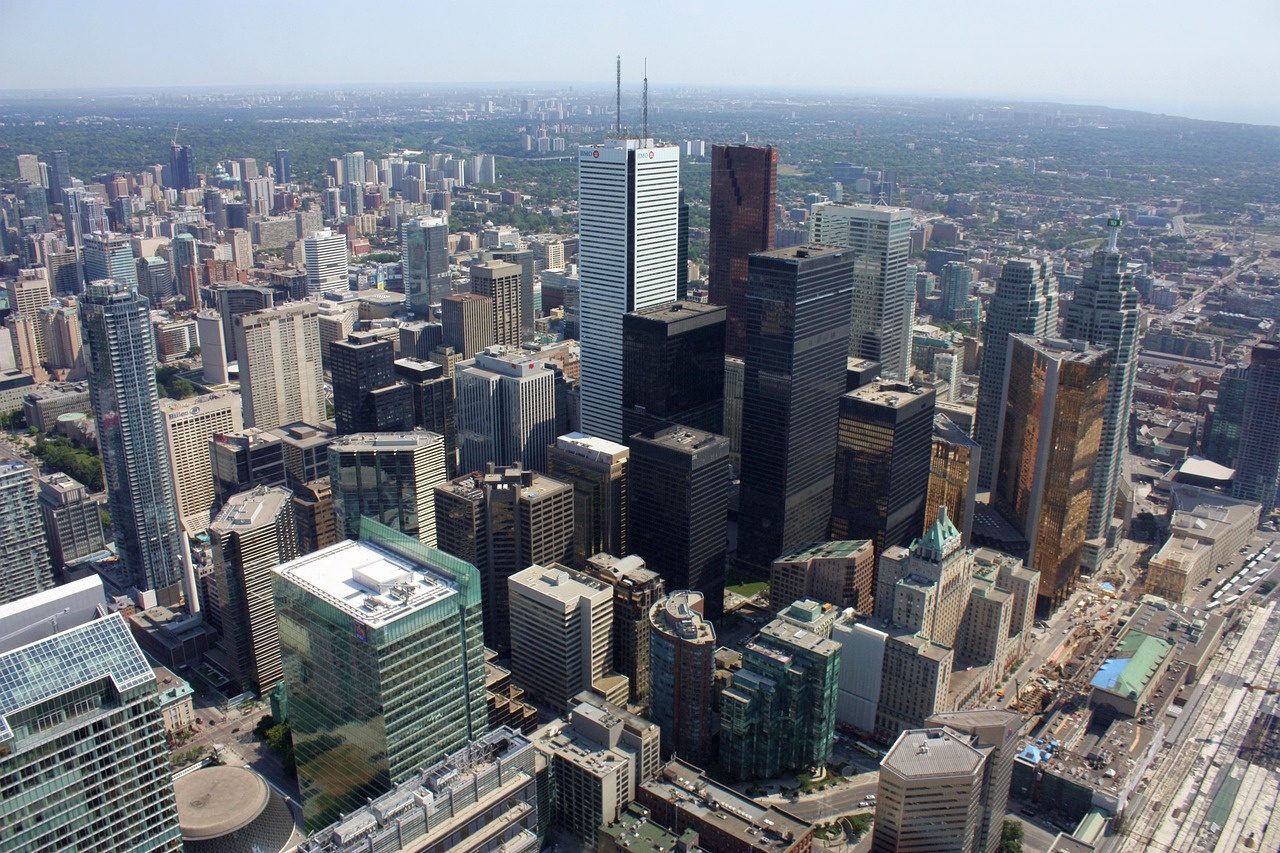
Uncover essential facts about Toronto for Visitors starts with this: a record 28.2 million people came in 2025. The city no longer rewards loose plans. You can still have an easy trip here, but only if you treat transit as the main tool, not the backup plan.
The UP Express gets you from Pearson to Union in 28 minutes. That beats sitting in highway traffic and pretending a rental car helps downtown. In my honest opinion, Driving in the core is the fastest way to turn a good day into a paid parking hunt.
This guide focuses on the Toronto details that actually change your trip: how to move between neighbourhoods, where the payoff is strongest near the core, when the PATH saves you from weather, and which small costs or queues can blindside you. Toronto is easy when you plan it like a local. It gets annoying when you wing it.
Getting around without a car
Pearson to Union Station takes 28 minutes on the UP Express, according to Toronto Pearson in 2026. That’s the move. A rental car downtown is usually an expensive way to sit still.
The TTC map looks bigger than most visitors need. Focus on subway lines 1, 2, and 4, with line 1 doing the heavy lifting through the core and line 2 cutting east-west across Bloor-Danforth. Queen Street and King Street streetcars fill in the gaps where the subway doesn’t go.
A few stops matter more than the rest. Union handles the airport train, waterfront, Scotiabank Arena, and most hotel-heavy business trips. St. Andrew puts you near King West, the theatre strip.
The CN Tower walk. St. Patrick is the practical stop for the AGO, Chinatown. A walk into Kensington Market.
Fares are where visitors waste money without noticing. The TTC lists an adult tap fare at $3.30 by PRESTO, debit, or credit card.
The day pass is $13.50. If you’re bouncing from downtown to Kensington Market and then over to the Distillery District, a tap card or pass beats rideshares fast.
There’s a catch, because Toronto always has one. Line 1 gets packed at peak hours, especially around Union and the office towers.
King and Queen streetcars can also crawl when traffic, construction, or bunching hits. A ten-minute trip can feel weirdly long.
That doesn’t make transit the wrong call. It just means you should time it like a local.
If you’re heading to the Distillery District, take the King streetcar toward the east end instead of ordering a car into traffic. If you’re going to Kensington, use St. Patrick and walk west. In my view, the subway-plus-walk combo is the cleanest way to see the city without wasting your afternoon in the back seat of a rideshare.
Neighbourhoods worth your time
Toronto rewards the blocks that look least polished: the better snack, vintage rack, and bar stool are usually one turn away from the clean photo spot. That’s why Kensington Market earns your time.
It’s messy, cramped, and sometimes too crowded by midday. It still feels like people live there instead of just selling Toronto back to visitors.
Go hungry and wander without trying to “complete” it. The payoff is the mix: tacos, patties, coffee, vintage shops, produce stands, and odd little storefronts that don’t care about matching signage. In my honest opinion, this is the neighbourhood I’d send a first-timer to before any polished photo stop.
The Distillery District is the opposite bet. It’s clean, brick-lined, and easy to understand in ten minutes.
That makes it useful if you want a low-stress walk, a drink. A few strong photos, but don’t pretend it shows you the city at street level.
Use King Station as your practical anchor for the financial core and nearby walks. From there, you can move through the towers, cut east, or catch a King streetcar toward the Distillery area instead of wasting money on a short ride-share. The trick is to treat the Distillery as a compact stop, not the whole afternoon.
Queen West gives you the best middle ground. Start from St. Andrew Station, walk north to Queen, then head west and let the blocks change as you go.
The early stretch has bigger stores and busy sidewalks. Farther west, the payoff gets better with galleries, independent shops, bars, and people-watching that actually feels like Toronto.
Food should drive your neighbourhood choices more than landmarks. The 2025 MICHELIN Guide Toronto & Region lists 106 restaurants across 31 cuisine types, according to Michelin.
That range shows up best when you stop chasing one “famous” strip. The postcard-pretty spots are not always the best use of your time… and the scruffier streets usually have the better food, shops, and pace.
What to see near the core
The CN Tower and Ripley’s Aquarium of Canada are less than a five-minute walk apart. That convenience is the trap. They’re easy wins, especially if you’re travelling with kids or first-timers.
The crowds build fast. Pick one as your paid headline stop unless you really love observation decks and sharks in equal measure.
I’d give the tower the edge on a clear day. The view actually helps you understand the city’s shape: lake to the south, towers packed tight, neighbourhoods spreading out past the core.
But skip the soft middle of the day if you can. Late afternoon is better, and weekday mornings are calmer than weekends.
Ripley’s works best when the weather turns ugly or you need a compact indoor plan. It’s polished, central, and not cheap.
That’s the tradeoff. You’re paying for convenience as much as the tanks, so don’t wedge it into a sunny waterfront day unless someone in your group is genuinely keen.
St. Lawrence Market deserves a separate pocket of time, not a rushed snack stop. Go before 10 a.m. if you want the place before it gets shoulder-to-shoulder. In my humble opinion, this is the core attraction that feels most like Toronto without trying too hard. Eat, browse, leave happy.
When the weather cooperates, pair one big-name stop with Harbourfront Centre and the ferry docks instead of stacking attractions like errands. The waterfront walk gives you the payoff visitors expect from a lake city… air, views, room to move. Harbourfront Centre is also a useful breather if you don’t want another ticketed attraction.
The Toronto Islands ferry is the strongest near-core add-on, but don’t treat it like a casual afterthought. City ferry information says peak waits can exceed 30 to 60 minutes in 2026, especially outbound from late morning to mid-afternoon and returning in the evening.
Go earlier, buy ahead, and don’t plan a tight dinner reservation right after. That’s how a simple island hop turns into a stress test.
Small details that save a trip
A ten-minute-looking hop on Google Maps can turn into a 30-minute slog once you add crowds, lights, construction, and one wrong turn under a condo tower. The classic visitor mistake is underestimating the walk between Union Station, the Entertainment District. The waterfront.
They look neatly stacked on a screen. On foot, they can eat the gap between a dinner reservation and a show.
Toronto feels easy on paper. The downtown core is bigger than visitors expect. If you’re crossing from the lake up toward theatres or restaurants, use the subway or a streetcar for part of it when your schedule is tight. In my view, the smartest move is saving your walking energy for neighbourhood streets, not blank blocks beside office towers.
Weather is the other trip-wrecker. Winters get properly cold, with wind that cuts harder near the lake.
Summers can be sticky and humid, not just warm. The swing between seasons is real, so don’t assume May, October, or even early April will behave the way the calendar suggests.
Bad weather doesn’t have to ruin a downtown day. The PATH network runs more than 30 kilometres and links office towers, malls, hotels, food courts, and subway stations, according to the City of Toronto.
It’s useful in deep winter and on ugly rain days, but it’s also easy to get turned around down there. Follow destination signs, not vibes.
Payment is simple. Cards are accepted almost everywhere, and tapping debit or credit is normal for transit, restaurants, shops, and bars. Keep a little cash if you like, but don’t build your day around finding ATMs.
Tipping still catches people off guard. At sit-down restaurants, 15 to 20 percent is standard, and payment machines will nudge you higher if you let them.
Counter-service prompts are more optional. Don’t feel bullied by a screen for handing you a muffin.
Hotel bills can also land higher than expected. Toronto’s Municipal Accommodation Tax increased to 8.5% for stays through July 31, 2026, according to the City of Toronto.
That’s not a reason to avoid staying central. It is a reason to read the final price before you book.
The Toronto move that saves your best hours
The smartest Toronto trip starts before you land. Save PRESTO or a tap card to your phone, pin your hotel against a subway or streetcar line, and check one annoying detail per day before you leave the room.
That might mean the Island ferry, where waits can hit 30–60 minutes. It might mean the accommodation tax staying at 8.5% through July 31, 2026.
Small stuff, yes. But small stuff is what eats your best hour.
In my humble opinion, Toronto isn’t hard to visit. It’s just badly served by lazy planning.
Use the TTC, walk more than you think, and let neighbourhoods beat checklists. The city opens up when you stop treating distance as the problem and start treating timing as the real skill.
Frequently Asked Questions
What’s the easiest way to get around Toronto without a car?
TTC is the simple answer. The subway handles the long hops, and streetcars fill in the gaps.
You still need to pay attention to service changes and weekend track work. If you’re staying downtown, walking plus transit beats driving almost every time.
Is Toronto safe for tourists at night?
Yes, in the main visitor areas, but don’t treat every block the same. Downtown streets stay busy, yet quiet side streets can feel empty fast, especially late. Stick to main routes, use TTC or rideshare for the last stretch if you’re far out, and trust your instincts.
Which neighborhoods are actually worth visiting for first-timers?
Start with downtown, Kensington Market, the Annex, and Queen West. They give you a real spread of the city without wasting time on places that look better in photos than in person. In my view, Kensington gets the most hype. The Annex is the better walk for a visitor who wants fewer crowds and more breathing room.
How much time do you need to see Toronto properly?
Three full days is the sweet spot. That gives you one day for downtown sights, one for neighborhood wandering, and one for a bigger move like the islands or a museum-heavy day. Less than that works, but you’ll feel rushed… and Toronto punishes rushed plans.
What should visitors skip if they only have a short trip?
Skip trying to see everything in one sweep. Toronto isn’t a checklist city, and cramming in too many stops means you spend your trip on transit platforms and in cabs. Pick a few areas, stay on foot, and let the city feel bigger than the usual tourist loop.