700,000 people for TIFF and 1,000,000 for Toronto Caribbean Carnival isn’t just big-event hype — it’s the difference between a fun weekend and a trip built around crowd control. That’s what makes the best festivals in Toronto tricky to judge. The biggest names aren’t always the easiest ones to enjoy, and the easiest ones aren’t always the ones visitors hear about first. TIFF can take over your calendar from September 5 to 15 with 280 films and red-carpet chaos, while Carnival brings the kind of citywide footprint that means real road closures, not mild inconvenience. But Toronto also does festivals in a looser, smarter way: the Jazz Festival spreads more than 1,500 musicians across the city, and food events can be a great bet — unless you’re counting on Taste of the Danforth, which was cancelled in 2024. That contrast matters, and it’s the key to picking a festival you’ll actually enjoy.
Toronto International Film Festival: the city’s biggest draw
Seven hundred thousand guests in 10 days is less a festival than a temporary takeover of downtown, and that’s exactly what TIFF becomes every September. The 2024 edition ran from September 5 to 15 and featured 280 films in its Official Selection, along with more than 700 talent, according to TIFF. That scale is why this event sits in a different class from almost anything else on Toronto’s calendar: for 10 days, the city turns into one of the film world’s busiest marketplaces, launchpads, and public screening rooms.
TIFF Bell Lightbox is the obvious anchor, but you won’t experience the festival by staying in one building. Screenings and premieres spread across downtown venues, which is part of the appeal and part of the hassle. You can spend an afternoon moving between the Entertainment District and nearby theatres, catching a buzzy premiere, then pivoting to a quieter screening with no red carpet at all. I’d argue that second experience is where TIFF really earns its reputation.
The glamour gets the headlines, but the smartest reason to go is access. Plenty of films playing here won’t reach regular theatres for months, and some won’t get a meaningful release at all. That makes TIFF unusually valuable for actual movie lovers, not just celebrity hunters pressed against barricades. Yes, the big premieres create traffic, crowds, and ticket competition, but the tradeoff is simple: few festivals give regular attendees this many chances to see hard-to-get work before the rest of the world does.
If you’re planning a trip around one major Toronto event, this is the one that most clearly changes the city’s rhythm. Not because famous people show up, though they do, but because the whole downtown core starts revolving around what’s screening next.
Toronto Caribbean Carnival: parade energy, road closures, and massive crowds
A million people changes the feel of a festival completely, and that’s exactly what happens here: Toronto’s Congestion Management Dashboard says the 2024 Caribbean Carnival drew 1,000,000 attendees. You’re not watching a tidy parade roll by and disappear. You’re stepping into a city-scale summer event that spills into transit plans, street closures, and your stamina.
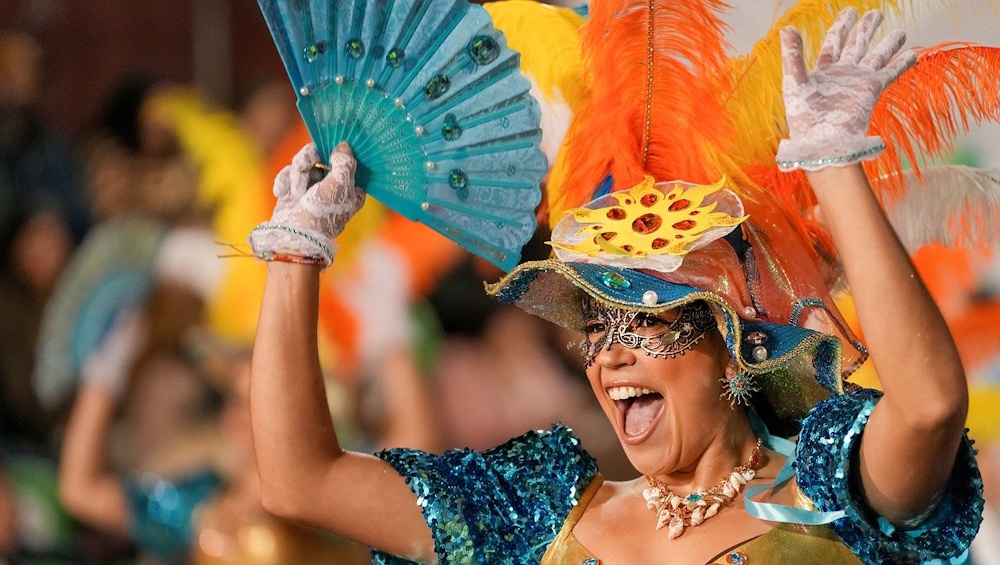
The Grand Parade is the center of gravity, running through Exhibition Place and along Lake Shore Boulevard, and it hits differently once you understand what’s actually moving past you. This isn’t just feathers for your camera roll. The heartbeat is Caribbean culture — soca pushing the pace, steelpan cutting through the air, mas bands bringing the tradition, craft, and competitive pride that give the whole day its meaning. That cultural depth is what makes the event worth your time; the visuals are only the most obvious layer.
Logistics get real fast. Toronto classifies the festival as a “Signature Event,” the permit category used for events that need full or partial closures of major roads for two or more consecutive days, according to the City of Toronto. That tells you everything about scale. Even the city-side operations are hefty: an Exhibition Place board report listed the waived rental value for the 2024 Grand Parade at $210,615.44. Big energy always comes with a bill.
Show up casually and this festival can wear you down. Crowds are dense, roads around the route are heavily affected, and driving is usually the worst choice you can make. My view: if you go, commit to it properly — take transit, arrive earlier than feels necessary, and expect slow movement everywhere. The chaos is the appeal, but it’s also the trap if you mistake this for a simple afternoon parade.
Toronto Jazz Festival: the easiest big festival to enjoy casually
Half a million people show up for this festival each year, but it rarely feels like a logistical battle. That’s the beauty of it. According to the festival, more than 500,000 patrons and 1,500-plus musicians are spread across 10 days and multiple venues, so the experience feels roomy instead of overwhelming.
Yorkville is usually the easiest entry point. The main cluster tends to sit around the Village of Yorkville Park area, with performances and foot traffic spilling through nearby downtown spots rather than locking you into one giant fenced-off site. If you want a low-effort festival night, this is one of Toronto’s best bets: walk the area, follow the sound, stop when something grabs you.
What makes it work is the split between free outdoor performances and paid indoor sets. You can catch a no-ticket show, grab dinner, and still end up deciding on a club concert later that night. But don’t assume everything is free. The better-known headliners and more intimate shows usually sit behind a ticket, and honestly, that mix is part of the appeal. Free sets give the festival its easygoing feel; club dates give serious music fans a reason to plan ahead.
The lineup helps, too. You’ll see straight-ahead jazz, fusion, blues, big band, vocal sets, and artists who blur those lines completely. That range matters because what sounds niche on paper really isn’t in practice. I’d argue this is one of the few big Toronto events where casual visitors may have a better time than obsessive planners: you can wander in with no schedule at all and still land on a great night.
One more detail says a lot about the atmosphere: in 2024, the festival said more than 90% of its free shows featured local artists or Canadians, with gala proceeds supporting 100-plus free performances. That local-heavy mix gives the event personality, even when you’re just dropping by for an hour.
Taste of the Danforth and other food festivals that pack a punch
A nearly 20% levy increase was enough to sink Taste of the Danforth in 2024, after the GreekTown on the Danforth BIA voted against it, according to the Tourism Industry Association of Ontario. That’s a useful reminder that even one of Toronto’s best-known street food events isn’t automatic. When it does run, though, it earns its reputation the old-fashioned way: block after block on Danforth Avenue filled with grills, loukoumades, souvlaki, music, and the kind of shoulder-to-shoulder foot traffic that tells you people didn’t come for a polite meal.
What makes it worth your time isn’t just the eating. The real draw is Greektown itself. You walk, you sample, you notice which bakeries have lines, which patios are packed, which side streets feel lived-in rather than staged for tourists. That’s what’s often missed about Toronto’s food festivals: they look simple, but the best ones aren’t really about stuffing yourself. They’re about getting an excuse to explore a neighborhood you might otherwise skip.
Other food-centered events land differently, and that’s a good thing. Toronto Food & Drink Fest leans more toward an indoor tasting-show format, with chef demos, drink sampling, and brand-heavy booths, so it feels more curated than a street party. VegTO Fest has a different rhythm again — less about indulgence for its own sake, more about discovering vegan vendors, products, and ideas you may not run into on a standard dinner reservation.
Crowds are part of the deal, yes, but the math is usually better than booking a full restaurant night. A few smaller plates from multiple vendors, maybe one drink, and hours of wandering can cost less than a sit-down dinner at a popular Toronto spot. The catch is obvious: you trade comfort for variety. You’ll wait in lines, eat standing up, and sometimes spend more than planned because one snack turns into five. Still, if you like cities best when they’re edible and walkable, this is one of the smartest ways to spend a day.
How to pick the right Toronto festival for your trip
The best pick is usually the one that wastes the least amount of your trip. That sounds less glamorous than chasing the biggest event on the calendar, but it’s true: convenience beats hype fast when you’re stuck in traffic, standing in a line you didn’t expect, or trying to cross the city for a festival that looked better on Instagram than it feels in real life.
Start with timing, because Toronto’s festival calendar has a clear rhythm. Summer is when the city spills outdoors, and that’s great if you want street energy, patios, and long evenings. But summer also means heat, crowding, and more street closures. September is a smarter bet if you want a big-city cultural trip without full-on midsummer chaos, especially if film is part of the plan. Winter flips the equation completely: fewer sprawling outdoor events, more indoor programming and holiday-season options, which makes the city easier to navigate even if the weather is less forgiving.
Getting around matters more than people admit. Downtown, Exhibition Place, and the Danforth are easy choices because TTC access is straightforward, and you can build a full day around them without renting a car. Suburban festival sites can be worth it, but parking is usually the tax you pay for lower central-city crowds. If you’re visiting, I’d choose transit-friendly areas every time unless the event itself is the whole reason for your trip.
A simple way to decide:
- Pick free events if you want flexibility, lower stakes, and the option to leave after an hour without feeling cheated.
- Pick ticketed events if there’s one specific experience you care about enough to plan around.
- Pick family-friendly festivals if you want daytime structure, food, and room for shorter attention spans.
- Pick nightlife-leaning events if late hours, drinks, and crowd energy are the point.
- Pick solo-friendly events if you like wandering, dropping in and out, and not coordinating with anyone.
What’s often missed is this: the right festival isn’t the “top” one on a list. It’s the one that fits the day you actually want to have.
Conclusion
The best festivals in Toronto aren’t simply the biggest ones. They’re the ones that match how you want to experience the city. If you want spectacle, TIFF and Caribbean Carnival deliver it at a scale that reshapes streets, schedules, and your entire day. If you want something easier to slip into, Jazz Fest is the smarter choice, and Toronto’s food festival scene still rewards flexible travelers even with Taste of the Danforth off the table in 2024. That’s the part most guides miss: festival planning in Toronto is really friction planning. Pick the event that fits your tolerance for crowds, closures, and advance booking, and the city opens up. Pick the wrong one, and even a great festival can feel like work.
Frequently Asked Questions
What are the best festivals in Toronto for first-time visitors?
If it’s your first trip, start with the big crowd-pleasers that show off the city fast: the Toronto International Film Festival, Taste of the Danforth, and Nuit Blanche. They give you a clean mix of food, arts, and huge-city energy without making you plan every minute. That’s the sweet spot.
When is festival season in Toronto?
Festival season runs from late spring through early fall, and that stretch is packed. June, July, August, and September usually bring the most options, but the tradeoff is obvious: better weather means bigger crowds and higher prices. If you want the best experience, book early and don’t assume last-minute deals will save you.
Are Toronto festivals free to attend?
Some are free, some aren’t, and that’s part of the fun. Street festivals and outdoor events often let you walk in without paying, while film screenings, concerts, and ticketed special events can cost real money. You can still have a great time on a tight budget, but the pricey events usually give you better access and smaller lines.
Which Toronto festival is best for food lovers?
Taste of the Danforth is the obvious pick if you care more about eating than just wandering around. You’ll get a lot of quick bites, long lines, and real neighborhood energy, which beats a polished food event that feels too staged. If you want the most variety in one place, this is the one to beat.
What should I know before going to a Toronto festival?
Bring comfortable shoes, check transit options, and show up early if you hate waiting around. Toronto festivals can feel easy on paper, but crowds, weather, and blocked streets can change the whole experience fast. A little planning goes a long way, and skipping it usually costs you time.