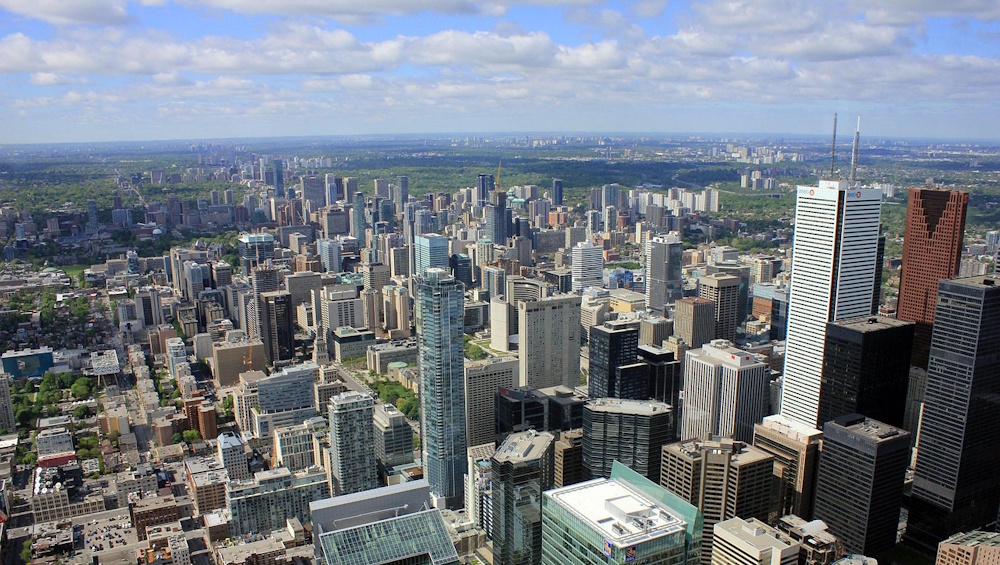
The guide to downtown Toronto starts with a fact most visitors miss: this tiny core covers just 3% of the city’s land, yet it holds 643,350 jobs and 40% of Toronto’s non-residential space. That changes how you should see it. Downtown isn’t a museum district with a few office towers dropped in between attractions; it’s a working engine that happens to contain some of the city’s best-known sights. That’s why first-time trips here can feel strangely split—easy on paper, chaotic in practice. Union Station funnels more than 108,000 subway boardings on a typical weekday, hotels sit around 70% occupancy, and the same block can give you a brilliant lunch or a tourist-priced disappointment. What’s often missed about downtown Toronto is that the best visit comes from reading its logic, not just pinning landmarks. Get the layout right, move smart, and the whole place opens up fast.
How Downtown Toronto Is Laid Out
Downtown Toronto is small enough to fool you. On a map, the core looks like a neat rectangle: Lake Ontario at the bottom, Bathurst Street to the west, the Don River to the east, and Bloor Street as the rough northern edge. But that tidy frame hides how quickly the city shifts. Walk ten minutes north from the waterfront and you can go from joggers and condos to bank towers, then a few blocks later to theatres, packed patios, or luxury retail with a completely different crowd and price tag.
The easiest way to picture the layout is by function, not by perfect neighborhood lines. South and slightly inland, Harbourfront runs along the lake with ferries, promenades, and condo-heavy blocks. Just north of that sits the Financial District, dense with office towers and PATH-connected buildings. West of University Avenue, the Entertainment District spreads through King and Wellington with venues, hotels, restaurants, and late-night energy. Head northeast toward Bloor and you hit Yorkville, where the sidewalks feel sharper, quieter, and more expensive on purpose. Go east from the core and the Distillery District stands apart with its pedestrian streets and brick industrial buildings, which makes it feel farther away than it really is.
Union Station is the anchor that makes the whole area legible. It’s the point where many visitors arrive, reorient, and branch out, and that matters because downtown is a working centre first: the area held 643,350 jobs in 2024, according to the City of Toronto Planning Employment Survey. The Yonge–University subway line forms the simplest north-south spine for visitors, while the TTC streetcar network handles much of the east-west movement across the core, especially along King, Queen, and Spadina.
What’s often missed is that downtown’s density is the reason it feels both convenient and exhausting. The core covers just 3% of Toronto’s land area but contains 40% of its non-residential gross floor area, according to the City’s TOcore overview. That’s why distances look manageable yet still eat time once you factor in crowds, towers, one-way streets, and the temptation to stop every few blocks. If you understand the rough boundaries, know which district matches your plans, and treat Union plus the subway and streetcars as your reference points, the city stops feeling random fast.
Top Sights That Actually Earn the Trip
The CN Tower still earns its keep, but only if you want the view badly enough to justify the time and ticket. The classic waterfront cluster — the tower, Ripley’s Aquarium of Canada, and Rogers Centre — is the easiest high-impact stop for a first visit because everything sits within a short walk. If you’ve got one day, though, don’t try to “do” all three. Pick one anchor. The tower gives you the skyline perspective people come for; Ripley’s is the better choice if you’re traveling with kids or want something less weather-dependent; Rogers Centre is mostly worth prioritizing when there’s a game or event that you actually care about. Otherwise, I’d skip it and use that hour somewhere better.
St. Lawrence Market is the stop that most often lives up to the hype because it gives you more than a photo. The peameal bacon sandwich has become the headline order for a reason, and yes, it’s worth trying once, but the smarter move is to treat the market as a meal stop rather than a box to tick. Saturday is when the area feels most alive thanks to the farmers’ market rhythm, but that energy comes with thicker crowds and slower lines. That’s the tradeoff.
ROM and AGO are the two museum picks that matter most if you’re choosing carefully. The Royal Ontario Museum is the stronger call if you want breadth — natural history, world cultures, big-gallery variety. The Art Gallery of Ontario is the better option if you want a more focused, calmer few hours with Canadian and international art at the center. You do not need both unless museums are the main reason you’re here.
That’s the real trick with downtown sightseeing: the biggest names are popular for a reason, but the smartest itinerary usually involves skipping one marquee stop so you have time for a proper lunch, a waterfront walk, or a museum that doesn’t feel like crowd management.
Where to Eat Without Getting Trapped by Tourist Menus
The easiest bad meal downtown is the one with a glossy menu posted outside an office-tower patio and a host trying to pull you in before you’ve even read it. That part of the core does fast business-lunch service well, especially in the Financial District, but it’s also where you’ll pay the most for food that feels engineered for expense accounts rather than appetite. If you’re hungry at noon, follow the workers instead of the branding: salad counters, sushi spots, food halls, and quick sandwich shops with actual lines are usually a safer bet than the polished rooms built to catch visitors between meetings and attractions.
St. Lawrence Market still earns its place as a food stop, but not because every stall is equal. Carousel Bakery is the name most visitors know for peameal bacon sandwiches, while Buster’s Sea Cove has the long-standing seafood counter reputation people come back for, and Kozlik’s is the mustard stop if you want something easy to carry away. What matters here is choosing vendors with a clear specialty. Markets reward decisiveness; wandering around hungry is how you end up with the most obvious option, not the best one.
Dinner is a different map. King West leans louder, trendier, and pricier, with plenty of rooms that look great at 8 p.m. but don’t always justify the bill. Corktown usually feels less performative and more grounded, which I’d pick if the goal is a strong meal rather than a scene. That’s the tradeoff downtown keeps making: the fancier the room, the easier it is to overpay.
Some of the smartest eating in the core is barely polished at all. Chinatown is where dumplings, hand-pulled noodles, barbecue meats, and late-night comfort food beat a lot of more expensive dining with no effort. Queen Street West, especially away from the most obvious tourist stretch, is better for casual spots, bakeries, tacos, sandwiches, and reliable coffee-led lunches that don’t ask you to commit to a two-hour production. If you want to eat like someone who knows the city, go where the menu is shorter, the turnover is faster, and the room cares more about feeding people than flattering them.
Getting Around Downtown Toronto Without Losing Time
A lot of downtown trips that look transit-worthy on a map are faster on foot, and that’s the mistake first-time visitors make over and over. Union Station to the CN Tower is roughly 10 to 15 minutes walking. Union to St. Lawrence Market is closer to 15 minutes. Even Union to the Eaton Centre is often about 20 minutes if you move steadily. When the sidewalks are clear, those are real, practical walks—not heroic ones—and they often beat waiting for a vehicle, especially for short hops.
The subway is still the cleanest time-saver when you need to go north-south fast or skip a weather mess. Line 1 does the heavy lifting through the core, and Union is the transfer point you’ll keep crossing anyway. That matters because Union is the busiest downtown subway stop, with 108,430 average weekday boardings in the latest TTC data, according to the Toronto Transit Commission. In plain terms: if you’re coming in on regional rail, switching hotels, or heading back after dinner, this is the node that usually makes your route work.
Streetcars are useful, but don’t romanticize them. They’re great for east-west movement on corridors like King or Queen, yet they can crawl in mixed traffic badly enough that a 15-minute walk is the smarter call. The contrast is stark on King Street: with traffic agents in place, travel times between University and Jarvis drop from 45 to 65 minutes down to 17 to 21 minutes, according to the City of Toronto. That’s proof that the route can work brilliantly—but also proof of how much street conditions matter.
GO Transit is the quiet cheat code if you’re linking downtown with places beyond the immediate core, and Union is where that connection becomes painless. You don’t need to think like a commuter to use it. If your day includes an arrival from Pearson via UP Express, a regional train connection, or a quick return to somewhere outside the centre, Union keeps those moves compact.
When TTC timing falls apart, don’t be stubborn. Grab a rideshare or taxi in rain, after a late show, or when you’re carrying luggage; the premium is often worth the hour you save. Bike Share Toronto works well for short daytime hops when the weather cooperates, especially along flatter downtown corridors, but I wouldn’t make it your default if you’re unfamiliar with the streets or riding after dark. The best strategy is simple: walk the short links, use Line 1 for longer jumps, treat streetcars as useful but conditional, and keep one backup option ready.
Best Areas to Stay for First-Time Visitors
The room with the easiest map pin is usually the one that costs more and sleeps worse. That’s the real tradeoff downtown: the blocks that put you closest to late dinners, major venues, and quick transit are also the ones most likely to come with sirens, weekend traffic, and 1 a.m. street noise.
Union Station and the Financial District make the most sense if you’re in town for meetings, arriving by train, or trying to keep airport transfers simple. If you’re flying through Billy Bishop, this area is especially practical; the airport handles more than 2.8 million passengers a year, and staying on the south side of the core cuts friction fast, according to the City of Toronto. You’ll also get the highest concentration of business-ready hotels, polished lobbies, and easy early-morning movement. But I wouldn’t pick it for atmosphere. After office hours, some blocks feel sterile, and on weekdays the pace can be tiring rather than exciting.
King West and the Entertainment District are better if your trip starts after dark. You can walk to bars, shows, and late kitchens without planning your night around the last convenient ride home. That convenience matters, but it comes at a price: these streets are among the noisier places to sleep, especially on Thursday through Saturday, when traffic crawls and crowds spill onto the sidewalks well past midnight.
Waterfront and Harbourfront stays are calmer than many first-time visitors expect. The upside is obvious: more open space, lake access, and a break from the densest part of the core. The downside is less obvious until you’re there. In bad weather, or after a long day, that slightly removed feel can turn into extra walking and fewer spontaneous food options nearby.
Yonge–Dundas Square is the practical wild card. It’s transit-friendly, busy at almost every hour, and often easier on the wallet than the slicker west-end pockets, but you need a high tolerance for lights, noise, and constant foot traffic. Downtown hotels run at about 70% occupancy, according to the City of Toronto’s 2025 visitor economy update, so whichever area fits your style, book early enough that you’re choosing based on fit rather than whatever room is left.
Costs, Crowds, and What Downtown Gets Wrong About Itself
The cheapest-looking downtown plan can get expensive in under an hour once parking, lineups, and event-day congestion start stacking up. That’s the part the area gets wrong about itself: it feels compact and efficient on a map, but convenience near the core usually comes with a price tag. Hotel rates rise fast when there’s a major event in town, parking near the busiest districts can easily run C$25 to C$40 for a day and more for overnight, and bundled attraction spending adds up quicker than most first-time visitors expect. Toronto drew 9 million overnight visitors in 2024 who spent a record C$8.8 billion, according to Destination Toronto, so no, central prices aren’t inflated by accident. Demand is real, and you feel it.
Crowds also follow a pattern. Weekday lunch hours pack the Financial District and nearby food courts. Blue Jays game days put real pressure on the area around Rogers Centre before first pitch and again right after the final out, when streets, bars, and parking exits all clog at once. Summer weekends around Harbourfront and the waterfront are the other big squeeze point: pleasant weather makes that stretch look easy in photos, but in practice it can mean slow-moving sidewalks, longer waits, and less spontaneity than you planned for.
A few mistakes keep repeating. Trying to drive everywhere is the big one, because the car itself isn’t the only cost — it’s the time penalty. Showing up to St. Lawrence Market too late is another; go late afternoon and you’ll get a weaker version of the place, with less energy and fewer choices. The worst planning error, though, is cramming too many stops into one day. Downtown rewards tight, realistic clusters. If you chase five neighborhoods, two attractions, a market stop, and a waterfront walk in one stretch, you won’t feel efficient. You’ll feel rushed and overcharged.
A One-Day Downtown Toronto Plan That Makes Sense
The smartest one-day plan leaves something out on purpose. If you try to stack every headline stop into a single day, downtown starts to feel like a commute with better photos.
Start east or south. St. Lawrence Market makes the stronger morning anchor if you want breakfast and a slower first hour; the waterfront works better if you want air, space, and a walk before the core gets louder. That choice matters more than people admit. A market morning is about eating early and then drifting west with some energy left. A shoreline morning gives you a cleaner visual introduction to the city, but it can also tempt you into covering too much ground before lunch.
By early afternoon, shift toward the CN Tower and Ripley’s cluster and treat it as one zone, not a checklist. Do the tower if the weather is clear and you care about the view. Skip it without guilt if lines are ugly or the sky is flat gray. I’d rather spend that hour elsewhere than force a mediocre observation deck visit just because it’s famous.
After that, split the second half of the afternoon in one of two directions: a museum stop if you want the day to feel substantial, or shopping if you want it to stay light. The right call depends on your energy, not your ambition. This is the tradeoff most visitors miss. The best itinerary isn’t the one that checks off the most boxes — it’s the one that leaves room for one long meal, one good walk, and one decision you don’t have to force.
Evening should be simple. Choose King West if dinner is the main event and you want a lively room. Choose the Distillery District if you want atmosphere and an easy post-meal stroll. Choose the waterfront if the day already felt full and you’d rather end with the city opening up around you instead of one more reservation. Any of those endings works. Trying to do all three doesn’t.
Conclusion
Downtown Toronto rewards strategy more than stamina. If you understand that the core is dense, expensive, transit-heavy, and built first for workers rather than visitors, the usual mistakes become easy to avoid: overpaying for location without checking the area, wasting time on slow crosstown trips, and eating in the first busy place you see near a major sight. The upside is real. You can cover a lot in one day here because the centre is compact, but only if you treat movement, timing, and neighborhood choice as part of the trip itself. That’s the point most guides miss. Downtown isn’t hard to enjoy; it’s hard to enjoy casually. Plan it with intent, and the city stops feeling overwhelming and starts feeling sharp.
Frequently Asked Questions
What are the must-see places in downtown Toronto for a first visit?
Start with the CN Tower, St. Lawrence Market, Harbourfront, and the Distillery District. That mix gives you the city’s skyline, food, waterfront, and history without wasting time. If you only have one day, skip the detours and focus on those four.
How many days do you need to explore downtown Toronto properly?
Two full days is the sweet spot. You can see the big sights in one rushed day, but that usually means you’re just checking boxes. Give yourself a second day and you’ll have time to eat well, walk more, and actually enjoy the city instead of sprinting through it.
Is downtown Toronto walkable, or do you need transit?
It’s very walkable for short stretches, but you’ll still want transit once your feet start complaining. The subway, streetcars, and rideshares fill the gaps fast, especially if you’re moving between areas like the waterfront and the entertainment district. Walking is the best way to notice the city, but transit saves your energy.
What’s the best way to get around downtown Toronto without a car?
Use a mix of walking and TTC transit. The subway is the fastest option for longer hops, while streetcars are useful when you’re moving across downtown and don’t mind a slower ride. A car is more trouble than it’s worth because parking is expensive and traffic can turn a five-minute trip into a headache.
Where should you eat in downtown Toronto if you only have time for one food stop?
St. Lawrence Market is the safest bet because it gives you lots of choice in one place. You can grab a quick bite, a proper lunch, or snacks for later without bouncing around the city. That said, if you want a sit-down meal with a view, the waterfront area is a stronger pick.