4.28 million visits in a single year is a useful reality check: the best day trips from Toronto aren’t random weekend fillers, they’re places people keep returning to because the payoff is obvious. But scale alone doesn’t make a trip worth your Saturday.
The real difference is how quickly a place changes your mood. One hour you’re in Toronto traffic; not long after, you’re looking at 22-metre cliffs in Elora, choosing between 39 wineries in Niagara-on-the-Lake, or heading for a beach town with more than 500 miles of shoreline in Prince Edward County. That contrast is the whole point.
The smartest day trips feel easy to reach but still distinct once you arrive, and that’s exactly why these seven picks work. Some are classic for a reason. Others are better than their reputation. A few will make you wonder why you kept putting them off.
Niagara Falls for the classic first trip
More than 4.28 million visits ran through Niagara Parks’ paid attractions and heritage sites in fiscal 2024/25. According to the Niagara Parks Annual Report, this remains the top pick for a reason.
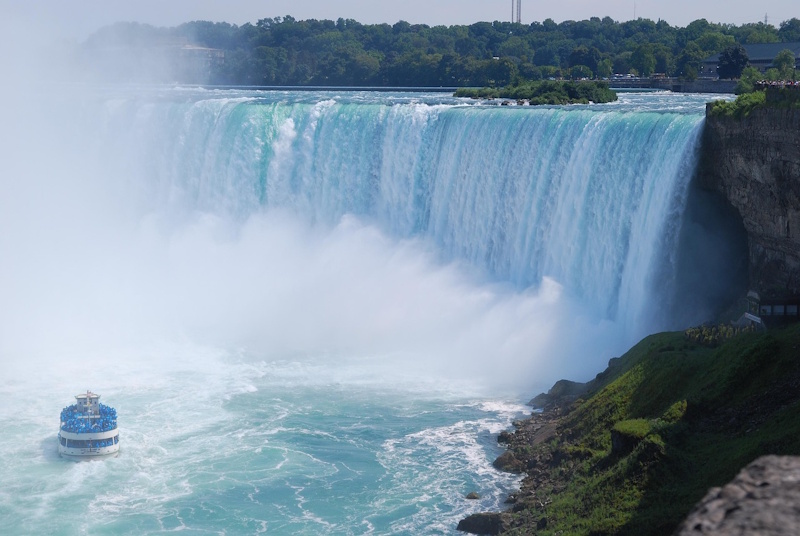
From downtown Toronto, the drive usually takes 90 minutes to two hours. If you prefer not to drive, GO Transit reaches the falls on select days. For a one-day outing, this level of convenience is half the battle.
Table Rock is the anchor because it gets you close to the edge fast. Pair it with Journey Behind the Falls and the Hornblower boat cruise for the classic lineup. You can finish with Clifton Hill if you want full tourist-chaos energy. This mix works because it offers both natural spectacles and loud, slightly tacky fun.
However, Niagara can feel overpriced if you try to do too much. The boat, the tunnel, and parking fees add up quickly. I think Niagara is best when you edit your itinerary hard. Pick two or three core stops instead of seven.
The split that matters most is direction. The Fallsview side is built for action and noise. Conversely, the Niagara-on-the-Lake direction feels calmer and far less frantic. If you want maximum “wow” for minimum planning, stay near the falls. If you want the day to breathe, pull away from the main strip.
If you want the day to breathe a little, pull away from the main strip. Even Niagara’s biggest strength — how easy it is to sell — is also its weakness once every other day-tripper has the same idea.
Getting Around Without a Car
One practical upside often gets overlooked. Once you arrive, getting around the core is easier than people expect. Niagara Parks says WEGO and the Falls Incline Railway carried nearly 2 million riders last year. This is a rare Ontario day trip where you can park once and move around without much friction.
Niagara-on-the-Lake for wine, walks, and slower pace
Thirty-nine wineries in one appellation is a lot of temptation for a single day, which is exactly why Niagara-on-the-Lake is better when you don’t try to “do it all.” The smart version of this trip feels edited: one winery, a walk through town, maybe a scenic detour along the Niagara Parkway, and then home before the day turns into a blur of tasting flights and parking hassles. That slower rhythm is the whole point.
Queen Street does most of the heavy lifting here. It’s polished without being huge, lined with tidy heritage buildings, boutiques, patios, and enough people-watching to fill an hour or two without effort. Just off it, the historic core is easy to cover on foot, and that’s a big part of the appeal if you want a day that feels calm rather than scheduled to death.
If you like adding one cultural anchor, the Shaw Festival gives the town a more grown-up, dressed-up feel than most Ontario day trips.
Wine is the obvious pull, but I wouldn’t turn this into a full tasting marathon. Peller Estates, Ravine Vineyard, and Inniskillin are all strong picks for very different moods, and that’s the trap: there are too many solid options.
According to the Ontario Wine Appellation Authority, the local appellation has 39 wineries and produced 214,749 9-litre cases in 2024/25, so this isn’t some token wine stop attached to a pretty town. But if you cram in three or four tastings, the place starts feeling expensive, rushed, and weirdly less enjoyable.
That’s the real tradeoff. Niagara-on-the-Lake feels far more refined than the louder tourist strip nearby, but refinement costs money. Lunch is pricier, wine-country stops can feel formal, and the whole place is less forgiving if you were hoping to just wing it in sneakers with a cheap coffee.
My take: keep it simple. One good winery, one long walk, one scenic stretch of parkway. Anything more, and you lose the exact ease that makes this place worth the trip.
Elora and Fergus for cliffs, trails, and a small-town reset
Those 22-metre limestone walls at Elora Gorge do more to reset your brain than most full weekends away. This is the trip to pick when you want something that feels visually dramatic without committing to a big, complicated outing.
The gorge is the headline for a reason: river lookouts, short trail sections, and those cliff views make it one of the most photogenic escapes within easy reach of the city. According to the Grand River Conservation Authority, the conservation area has about two kilometres of walking trails, so you can get the scenery without turning the day into a hardcore hike.
What makes Elora work so well is that it isn’t only about the trail. You can do a lookout, wander the village, grab lunch, and still have enough energy left to drift through shops instead of collapsing back in the car.
If you want more movement, tubing adds a fun dose of chaos, but it’s not as lazy as it sounds: the 2025 season pricing was $21 per person without rental or $54 with the full equipment package, and you’ll walk roughly 1.3 kilometres each way between river entry and exit, according to the GRCA.
The quarry is the other big draw, and it’s easy to see why. The water looks unreal in photos, but this is where people get caught out: access, reservations, and swimming rules can change by season, so check before you go and don’t build your whole day around it unless it’s confirmed open.
Fergus rounds out the trip nicely. Its compact downtown has a slightly different feel from Elora — less cliffside drama, more stone buildings, riverfront charm, and a clear Scottish heritage thread that gives the place some personality instead of generic small-town polish.
But timing matters more here than people expect. Elora looks like the perfect slow, quiet escape, yet warm summer weekends can feel crowded fast, especially around the gorge and quarry. My advice: go early, go on a shoulder-season day, or accept that the calm version of this trip is something you have to plan for.
Hamilton for waterfalls that don’t feel like a side quest
Hamilton has more than 100 waterfalls, and that single detail changes the whole pitch: this isn’t a quick detour, it’s a full-day outing with range. Start around Spencer Gorge if you want the biggest payoff.
Webster’s Falls brings the broad, classic curtain-of-water look, Tews Falls feels narrower and more vertical, and Dundas Peak gives you the kind of escarpment view that makes the city disappear for a while. Tiffany Falls is an easier add-on later in the day, especially if you want one more stop without committing to another long hike.
What makes Hamilton such a strong pick is how compact the day can feel once you plan it properly. You can do trails, lookout points, and multiple falls without bouncing all over southern Ontario.
But this is the catch, and it matters more here than in most day trips: some of the busiest spots require timed parking reservations or conservation area fees, especially in peak season. The city launched a Waterfall Destination Master Plan in 2025 specifically to deal with over-tourism and access pressure, according to the City of Hamilton. Ignore that reality and you can waste an hour circling lots, checking rules, and getting irritated before the day really starts.
Then Hamilton flips the script. After muddy shoes and escarpment views, you can head into Westdale for a relaxed meal or coffee, or go downtown for breweries, galleries, and a more urban energy than people expect from a waterfall-heavy trip. That contrast is exactly why I like Hamilton so much.
It can outshine more famous day-trip names because it gives you both nature and city texture in one place — but only if you treat it like a real itinerary, not a photo stop.
Prince Edward County for beaches, food, and long roads
Two and a half to three hours each way is the honest number for Prince Edward County from Toronto, and on a summer weekend that drive can easily stretch longer.
That’s the whole deal here: this place feels more like a mini-vacation than a casual outing, but that’s exactly why it’s the least forgiving pick if you hate losing half your day to the car. I’d only call it a smart choice if you’re willing to leave early and commit.
Sandbanks Provincial Park is the reason most people go, and it earns that status. Outlet Beach is the easiest sell because the shallow water and long sandy stretch make it simple to enjoy without overplanning, while the dune system gives the park a look that feels much bigger and wilder than a standard Ontario beach stop.
Ontario Parks lists 620 car-camping campsites for the 2025 season, including 268 electrical sites and 56 RV pull-through sites, which tells you something useful: this isn’t a tiny local beach, it’s a major destination with real pressure on busy days.
Once you’re out of the park, the County works best when you stop pretending you can do everything. Wellington is an easy add for a meal or a quick waterfront walk.
Bloomfield is better for browsing, coffee, and that polished small-town feel people come here for. If you want one or two drink stops, keep it tight: Sandbanks Estate Winery is the obvious name, and County Cider Company is still one of the better views-and-a-pour combinations in the area.
What makes the trip worth defending is the mix. Prince Edward County’s VQA appellation has 29 wineries producing 26,520 9-litre cases annually, according to the Ontario Wine Appellation Authority’s 2024/25 figures, and the region also has more than 500 miles of shoreline in its official profile. That combination is rare.
But I wouldn’t sugarcoat the tradeoff: if your ideal day trip means low effort and a late start, this isn’t your place.
Blue Mountain and Collingwood for year-round mountain-town energy
The easiest mistake here is treating Blue Mountain like a ski-only play when it’s one of the few day trips that still makes sense in July, October, and February.
In warm months, the village works best as a launch point: take the gondola for the escarpment views, pick off a hiking trail, then come back down for a drink or an easy wander. In winter, the whole place tightens up around ski days, snowboarding, and that energetic base-area buzz that makes even non-skiers feel like something’s happening.
Still, the village is polished enough to feel a little too packaged if you’re after somewhere with more texture. That’s the tradeoff. Blue Mountain is convenient, easy to navigate, and built to keep you occupied for hours, but it can also feel like a resort version of a town rather than a town itself.
I think it works best when you stop expecting alpine authenticity and use it for what it is: a tidy, low-friction hub for outdoor activity.
Collingwood is usually the better stop when you want lunch that feels less staged and shops you’d actually browse without a gondola in the background. Its downtown has more of the local, lived-in energy some travelers want, especially if your ideal day includes coffee, a long meal, and a few independent stores instead of staying inside the resort bubble.
The best version of this trip mixes both. Do the gondola or a hike when it’s warm, swap that for a ski hill day when the snow is good, and slot in Scandinave Spa if you want the reset to feel less athletic. Blue Mountain has also kept investing in the winter side of the experience: according to Blue Mountain Resort, an LED retrofit cut on-hill electrical use for night skiing by 40% in 2025, with more snowmaking upgrades planned through the 2028/29 season. That’s not just marketing gloss — it tells you this place is built to stay active across seasons, even if the “mountain town” label is a little bigger than the mountain itself.
Stratford for theatre, river walks, and a polished downtown
$31.4 million in performance revenue tells you Stratford isn’t running on small-town charm alone — the Festival is the engine, and it shapes the whole day. That’s why ticket timing matters more here than it does on almost any other easy escape from Toronto. If you want a specific production, a Saturday matinee, or seats that don’t feel like a compromise, book early; waiting too long can leave you planning the day around what’s left rather than what you actually wanted to see. According to the Stratford Festival’s 2023 financial statements, performance revenue reached $31,416,165, which gives you a pretty clear sense of the scale.
Even so, Stratford works best when you don’t treat it as a single-activity trip. The Avon River gives the place a lighter, less formal side, and the swan boats are exactly the kind of slightly corny, charming detail that makes the town memorable instead of polished to the point of stiffness. Add the river paths, the gardens, and a downtown core you can cover on foot without turning the day into a logistics exercise, and you’ve got a trip that feels easy once you arrive.
The smartest way to choose this destination is to decide what kind of day you want before you leave. A theatre-heavy version means building around curtain time, leaving room for an early dinner or post-show drink, and accepting that reservations matter. But if you don’t want to commit to a full performance, Stratford still holds up beautifully as a lunch-and-stroll trip: good restaurants, indie shops, the river walk, maybe a swan boat, then home. Personally, that flexibility is what makes it worth including here. It feels cultured without being fussy — but unlike a truly spontaneous day trip, the best version usually belongs to the people who planned ahead.
Conclusion
The best day trips from Toronto work because they solve different versions of the same problem: you want a real change of scene without burning an entire weekend to get it. Niagara Falls delivers the big classic. Niagara-on-the-Lake and Prince Edward County reward a slower appetite. Elora, Hamilton, Blue Mountain, Collingwood, and Stratford prove you don’t need distance to get drama, air, or culture.
What’s often missed is that the best choice isn’t the most famous stop — it’s the one that matches the day you actually want. If you want one practical next move, pick your trip by mood, not mileage. A good day trip gives you a break. The right one resets your week before you’ve even made it back onto the Gardiner.
Frequently Asked Questions
What are the best day trips from Toronto without a car?
Niagara Falls, Hamilton, and St. Catharines are the easiest no-car picks because you can reach them by GO Transit, train, or bus. Niagara is the most obvious crowd-pleaser, but Hamilton gives you waterfalls and trails without the tourist crush. If you want the simplest trip with the least planning, start there.
How far can you go on a day trip from Toronto?
A good rule is to keep it within about 1.5 to 2.5 hours each way if you want the day to feel relaxed. Push beyond that and you spend too much time in transit, which kills the whole point. The exception is Niagara Falls, because the payoff is big enough to justify the longer ride.
Which day trip from Toronto is best for couples?
Niagara-on-the-Lake wins for couples because it’s slower, prettier, and built for wandering, wine tasting, and long lunches. Toronto Island is the better pick if you want something easy and low-cost, but it doesn’t have the same polished feel. Choose based on mood, not just distance.
What’s the cheapest day trip from Toronto?
Toronto Island is usually the cheapest if you keep spending under control, since the ferry ticket is the main cost. Hamilton can also stay budget-friendly if you focus on hiking and skip pricey meals. The trap is adding too many paid stops, because that’s where a cheap outing turns expensive fast.
What should I pack for a day trip from Toronto?
Bring comfortable shoes, a phone charger, water, and a light layer, even if the forecast looks good. Weather changes fast around the lake and near waterfalls, and that can wreck an otherwise simple outing. If you’re heading to nature spots, snacks matter too because not every stop has quick food nearby.